

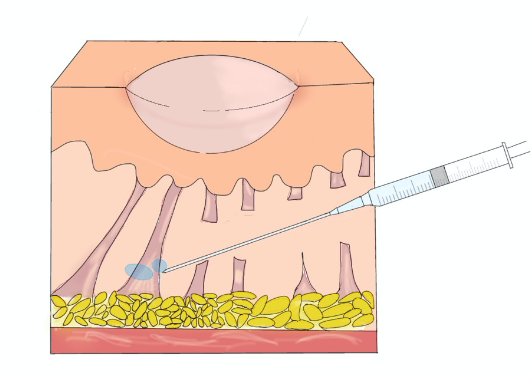
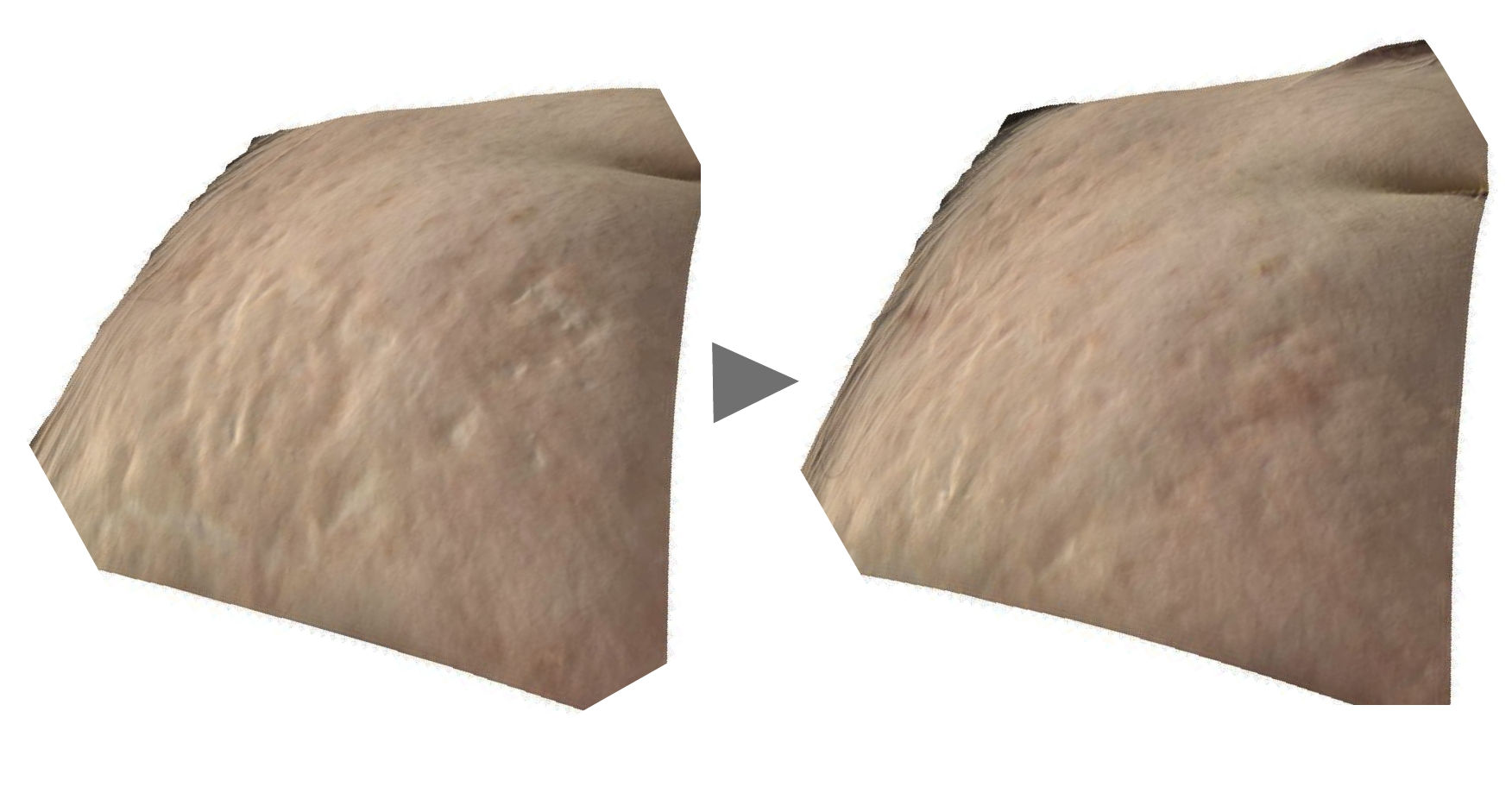
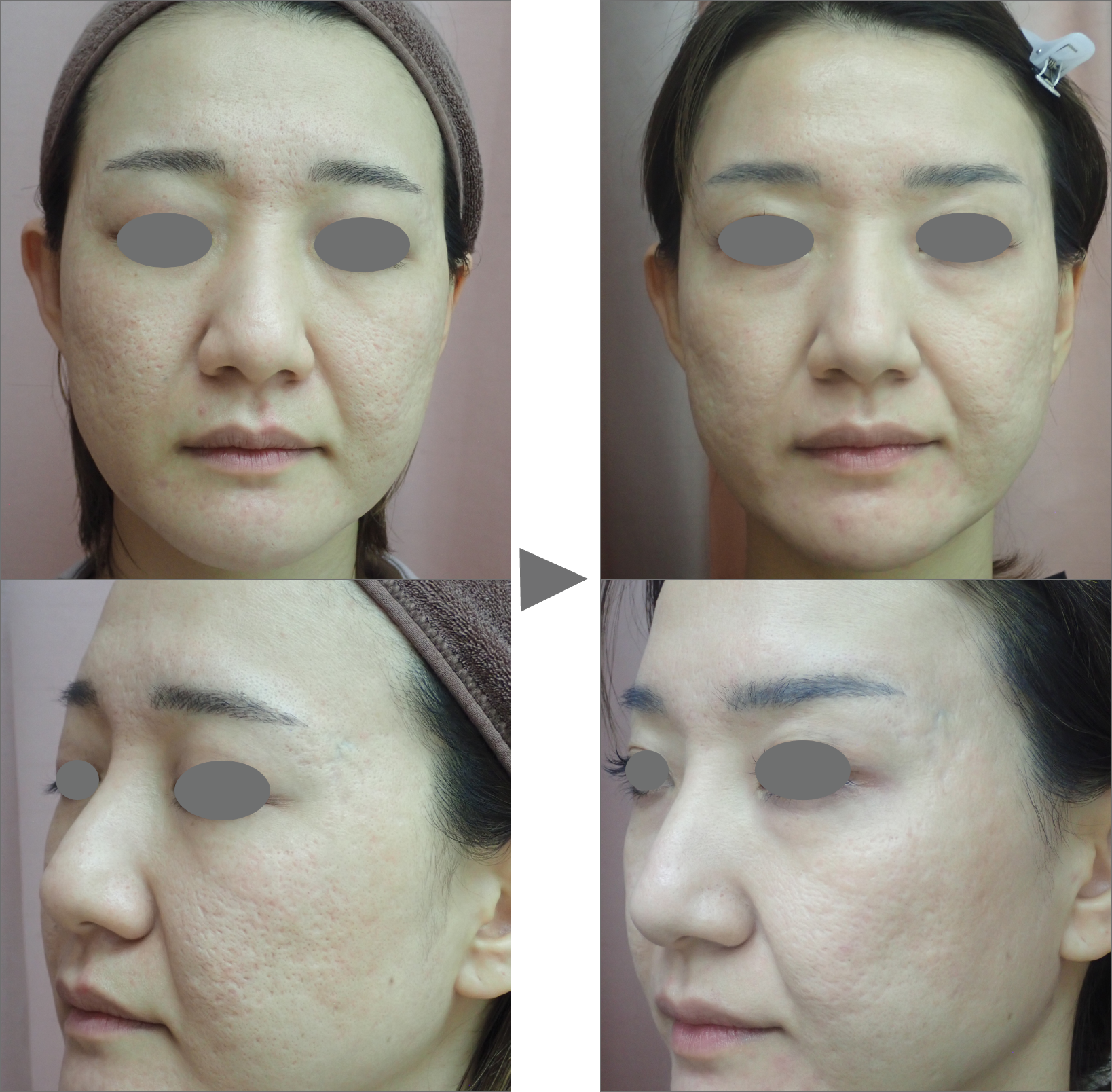
Subcision is a treatment in which a needle or cannula is inserted under the skin to release subcutaneous adhesions—one of the causes of acne scars and crater-like depressions—thereby improving indentations.
At our clinic, in addition to subcision (release), we also inject PDRN or PDLLA—agents that promote tissue repair, wound regeneration, and collagen production—into the treated area to prevent re-adhesion after treatment and lift the craters.
Recommended for those who:
- Are concerned about depressed acne scars (especially rolling-type)
- Are concerned about hardened skin from acne scars
- Are concerned about depressed chickenpox scars
Types of acne scars and treatment options
Acne can result from repeated, severe chronic inflammation in the pores, which may disrupt normal wound healing and lead to atrophic or hypertrophic scars. Even after acne clears, noticeable scars may remain on the skin and become a significant concern.
In rolling-type scars, which are atrophic scars that make up the majority of acne scars and craters, the dermis and subcutaneous tissue around the depression are also scarred and are pulled inward by cord-like fibrous bands under the skin.
We recommend “Subcision”, which involves inserting a needle or cannula under the skin to release adhesions and reduce the traction of these fibrous bands; Microneedle RF “POTENZA”, which stimulates deep fibroblasts with radiofrequency energy to promote skin regeneration; and “Dermapen 4”, which creates controlled micro-injuries on the skin surface to promote wound healing.
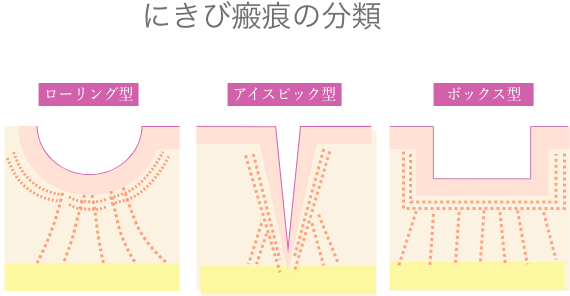
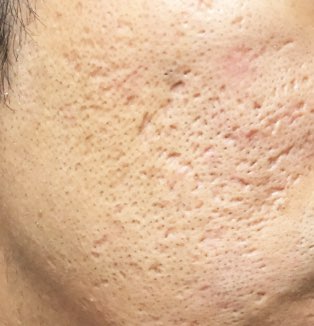
Ice-pick scars are deep depressions and are the most difficult to treat. They may be treated by excision with CO2 laser or punch techniques, but this can involve longer downtime and may even increase the scar area.
For boxcar scars, in addition to subcision with PDRN injections, we may add fractional CO2 laser treatment or Dermapen scar mode to soften the edges and make the scars less noticeable.
Subcision treatment at our clinic
Subcision
Our subcision treatment not only releases adhesions around acne scars, but also includes injections of PDRN (salmon injection), which promotes tissue regeneration, wound healing, anti-inflammatory effects, and angiogenesis, as well as PDLLA (Juvelook), which powerfully stimulates collagen production.
Using these agents helps accelerate scar repair and prevents re-adhesion of scar tissue after subcision.
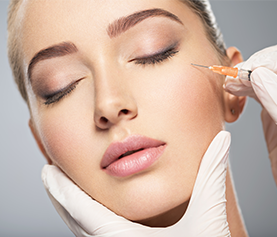
PDRN injection
An injectable formulation containing 1.5% PDRN (Polydeoxyribonucleotide) extracted from salmon, combined with glutathione, hyaluronic acid, and peptides.
PDRN has effects such as tissue and cellular repair, promotion of wound healing, growth factor activation, and improved blood flow. In Europe, it is approved as a pharmaceutical and is widely used in medical settings for wound healing (skin grafts, burns, scars) and joint injections.
Juvelook (PDLLA injection)
Juvelook is an agent whose main ingredient is PDLLA. PDLLA has excellent biocompatibility and, once in the body, gradually breaks down over 1–2 years. During this process, it strongly stimulates the production of collagen and elastin, lifting crater-like acne scars.
Case 1
Case 2
Treatment details
| Treatment interval | Once a month, 3–5 sessions |
|---|---|
| Treatment time | 1 hour (including anesthesia time) |
| Anesthesia | Topical anesthesia, block injection, local anesthesia |
| Downtime | Immediately after treatment, redness and swelling may occur at the injection sites and typically subside within a few hours. Bruising and swelling may occur. While this varies by individual, it generally settles within about 1–3 weeks. |
| Makeup | Not allowed for 24 hours |
| Follow-up visits | None in particular |
| Face washing / showering / bathing | On the day of treatment, wash your face with lukewarm water only |
| Medication | None in particular |
| Recommended combination treatments | ・Dermapen 4・High-concentration salmon injection・POTENZA・ |
| Post-treatment notes | None in particular |
| Contraindications | * Those who are pregnant or breastfeeding * Those with fish roe allergies or allergies to hyaluronic acid * Those with coagulation or immune system disorders |